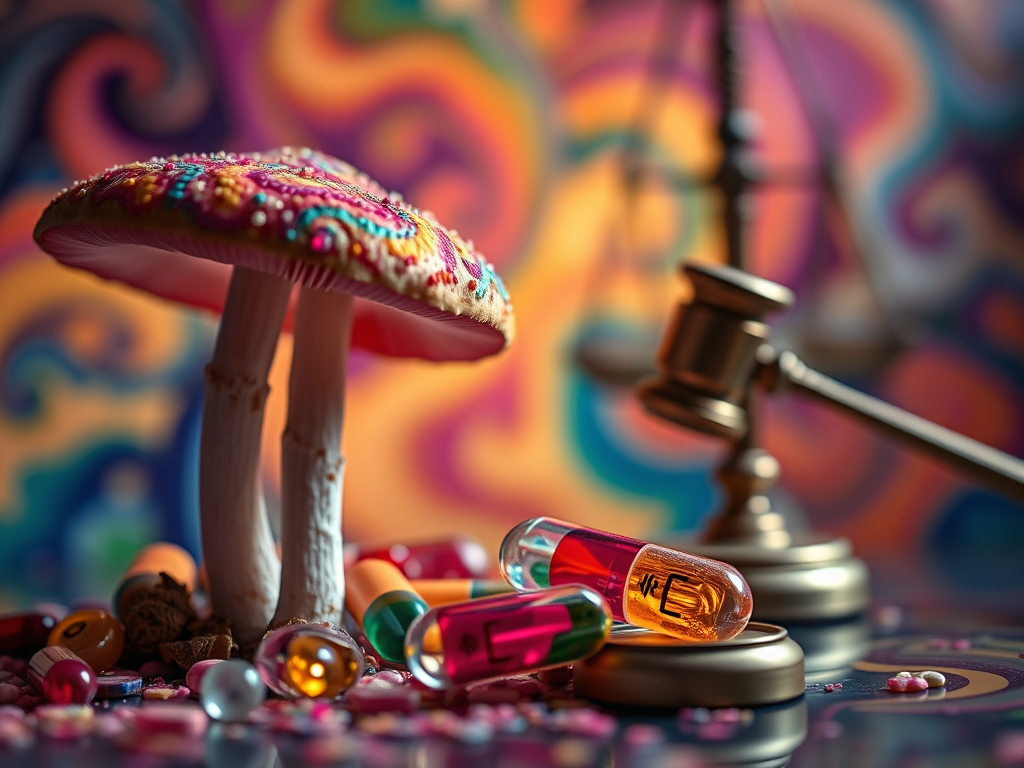
Recent reporting by BBC Future highlights a significant and evolving global conversation around the legal status of psychedelic substances such as psilocybin (the compound in “magic mushrooms”), MDMA, and others — a shift driven by both scientific research and new approaches to drug policy around the world.
For decades, most psychedelics were tightly controlled under international drug treaties and national laws, largely because of social and political pressures that emerged in the mid-20th century. This regulatory environment was designed to restrict recreational use, but it also limited research into potential therapeutic benefits for conditions like depression, PTSD, and addiction.
Today, several countries and regions are re-examining those laws. In some places, psychedelics remain strictly illegal, while in others the law is beginning to adapt. For example:
- Some countries have decriminalised or do not enforce laws against certain psychedelic substances, creating a more open environment for personal use or research.
- Medical access programs in nations such as Canada and Australia now allow clinicians to administer psilocybin or related compounds under strict supervision.
- Cities and states in parts of the United States have introduced measures to decriminalise or regulate psychedelics, and some European countries maintain unique frameworks that balance traditional restrictions with limited legal avenues for consumption or sale.
These changes reflect a broader shift in how the world thinks about mental health, substance laws, and therapeutic innovation. Many advocates argue that rigid criminalisation has historically hindered both scientific understanding and compassionate care. Critics, however, point out that changes in legal status need to be accompanied by strong safeguards, ethical guidelines, and education to prevent misuse and ensure safety — especially outside of controlled clinical settings.
This global legal re-appraisal matters for people seeking new paths in mental health care because it signals a willingness to explore alternative therapies while balancing concerns about safety, ethics, and community wellbeing. It also reminds us that law and health policy are deeply interconnected with cultural attitudes toward what healing and care look like.
As changes continue around the world, ongoing research, careful regulation, and grounded public discourse will be essential — not only for science but for the people and communities most affected by mental health challenges.
You can read the full BBC article here: https://www.bbc.com/future/article/20240320-legal-status-of-psychedelics-around-the-world

