Recent coverage in BBC News highlights an important and evolving debate in mental health treatment: should national health services consider using psilocybin-assisted therapy for people with depression?
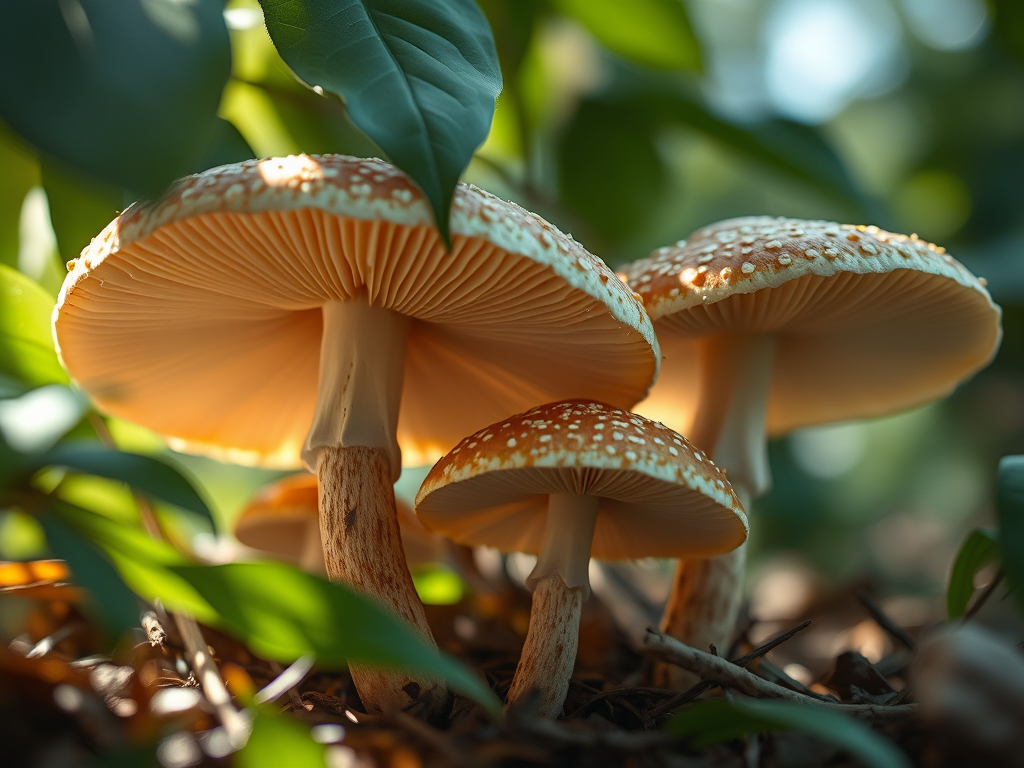
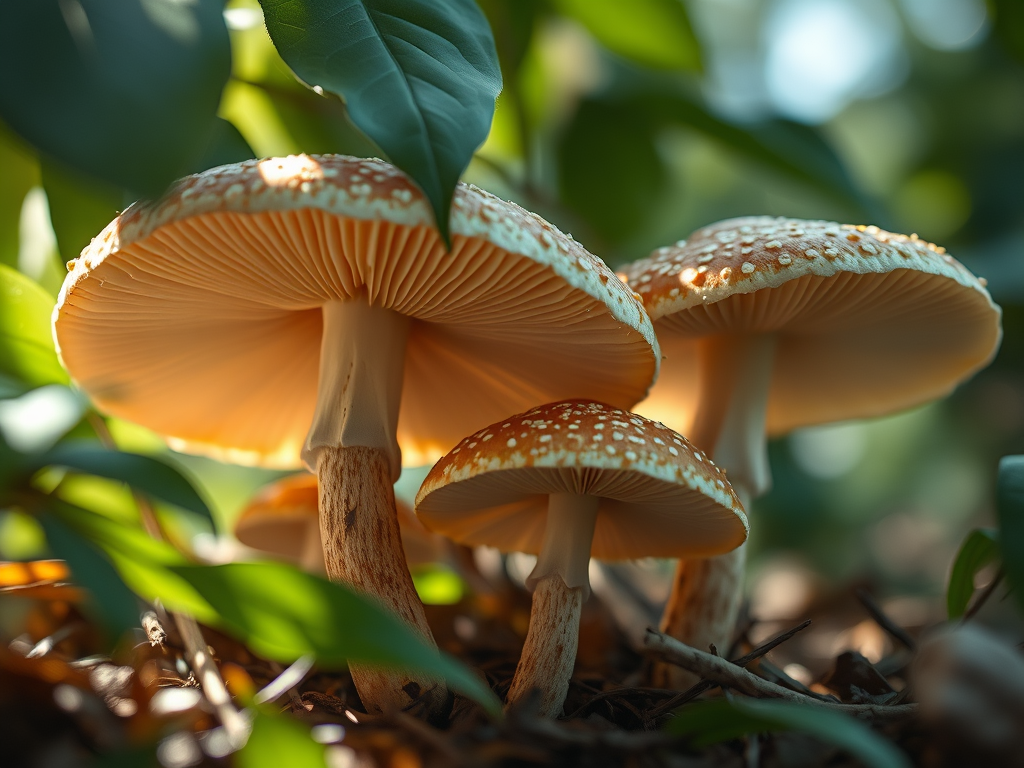
Psilocybin is a naturally occurring compound found in “magic mushrooms,” and in recent years clinical research has suggested it may have therapeutic value when used alongside psychological support. Small-scale studies have shown potential benefits for people with treatment-resistant depression — that is, individuals who haven’t responded to conventional medications or therapy.
Proponents of this approach argue that current treatments don’t work for everyone, and that the growing body of research into psychedelic-assisted therapy deserves serious consideration. Critics, however, caution that more robust evidence, rigorous trials, and careful regulation are needed before such treatments could be adopted widely.
This conversation reflects a broader shift in how we think about mental health care: away from a one-size-fits-all model and toward therapies that are personalised, holistic, and grounded in both scientific evidence and compassionate care.
As researchers continue to examine the potential of psilocybin and other psychedelic-assisted treatments, policymakers, clinicians, and patients alike are watching closely to see where the evidence, and ethics, lead us next.
Read teh full article on BBC news here: https://www.bbc.com/news/articles/ckg936l88e7o

